HEVvsPHEVHero
Hybrid vs Plug-In Hybrid: Complete Guide to Choosing the Right Electrified Vehicle
As gas prices climb and more people become environmentally conscious, many drivers around Chula Vista are turning to electrified vehicles as a smart alternative to traditional gas-powered cars. But with so many options available, it can be confusing to figure out which type of vehicle suits your lifestyle best. One of the most common questions we hear is about the difference between hybrid and plug-in hybrid vehicles.
Both hybrids and plug-in hybrids offer better fuel efficiency and a smaller environmental footprint compared to regular gasoline cars. However, they work in different ways, need different types of charging, and fit different driving habits. Getting a clear understanding of how each operates will help you make the right choice when shopping for your next car.
This guide breaks down the hybrid vs. plug-in hybrid debate, explaining how each vehicle works, comparing costs and benefits, and helping you decide which option fits best with your daily drives around Chula Vista and beyond.
Key Differences: Hybrid vs Plug-In Hybrid at a Glance
The main differences between these two types of vehicles includes in their battery capacity, charging requirements, and electric driving capability. A conventional hybrid (HEV) combines an internal combustion engine with a small electric motor powered by a battery that never requires external charging. The battery recharges automatically through regenerative braking and engine operation, making it function like a traditional gas-powered vehicle from the driver’s perspective.
A plug in hybrid (PHEV) uses the same dual-power concept but features a larger battery that must be plugged into an external power source to recharge. This bigger battery enables 15-50 miles of electric-only driving before the gas engine activates, offering a taste of electric vehicle operation with gasoline backup for longer trips.
|
Feature |
Hybrid (HEV) |
Plug-In Hybrid (PHEV) |
|---|---|---|
|
Battery Size |
1-2 kWh |
8-20 kWh |
|
Electric Range |
1-2 miles at low speeds |
15-50+ miles |
|
Charging Required |
No - automatic recharging |
Yes - plug-in required |
|
Fuel Economy |
40-55 mpg |
80-120 MPGe (electric mode) |
Popular examples illustrate these differences clearly. The Kia Carnival HEV achieves excellent gas mileage through its hybrid system, while the Kia Niro adds plug-in capability for electric-only commuting.
How Do Hybrid Vehicles Work?
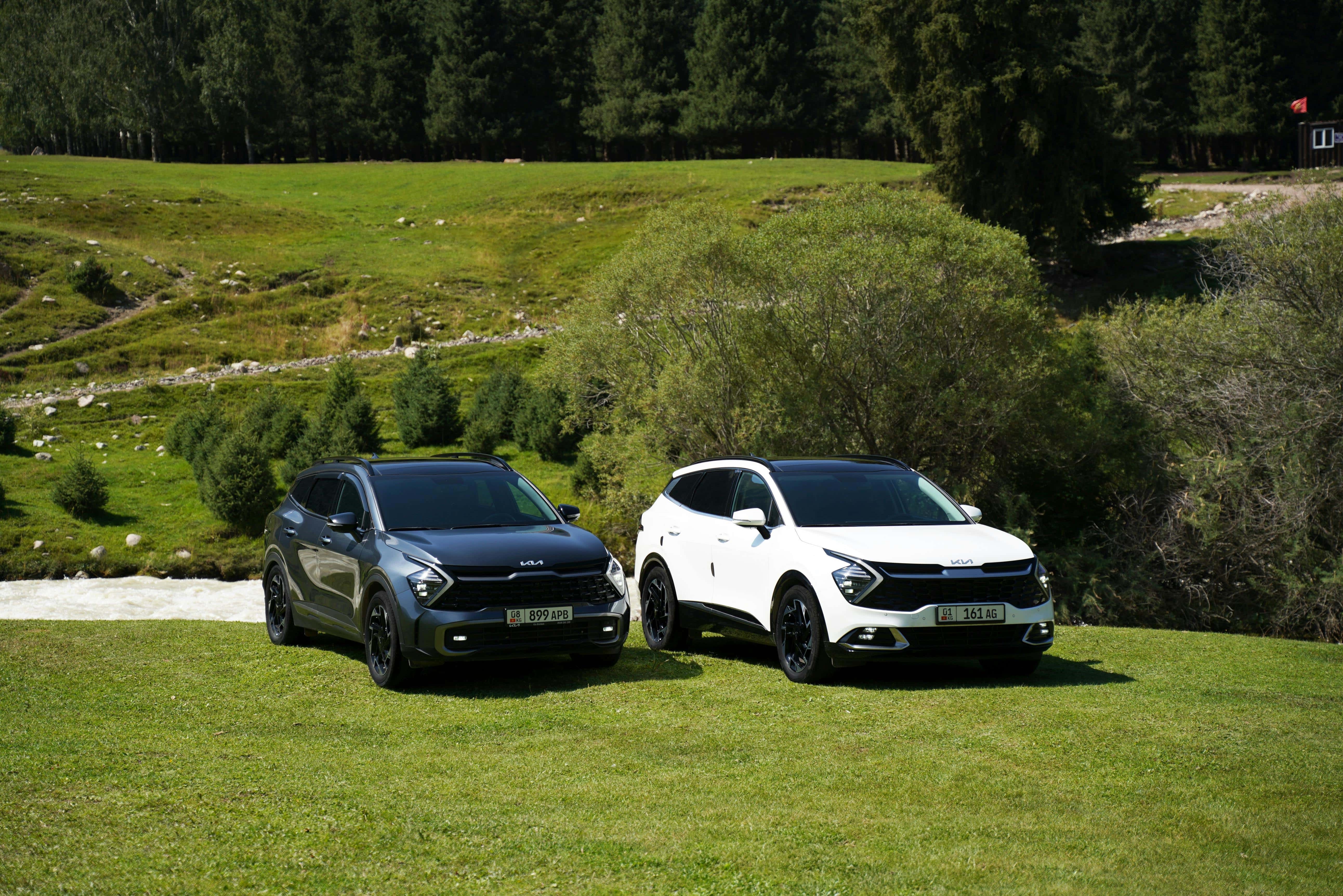
Hybrid vehicles combine a gasoline engine with an electric motor powered by a small battery pack, usually holding just 1-2 kilowatt-hours of energy. This battery acts as a backup power source that supports the gas engine rather than replaces it during regular driving.
The battery recharges itself through two main ways: regenerative braking and engine operation. When you hit the brakes, the electric motor switches roles and captures energy from slowing down, turning it into electricity. Plus, the gas engine can also recharge the battery when needed, so the electric motor always has juice ready.
On the road, the electric motor kicks in to give you a power boost, especially when starting from a stop since electric motors deliver instant torque. At highway speeds, the gas engine takes over most of the work, with the electric motor helping out as needed. This switch between power sources happens smoothly without you having to do a thing.
This setup is perfect for Chula Vista drivers who spend a lot of time in stop-and-go traffic, where the electric motor shines by making the most of frequent braking and acceleration. The gas engine handles steady highway cruising efficiently. For example, the Kia Niro Hybrid gets an impressive 53 mpg combined, while the Kia Sportage Hybrid offers 43 mpg, both delivering great fuel savings without changing how you drive or refuel.
Choose a Hybrid If You:
Conventional hybrid vehicles are a great fit for Chula Vista drivers who want better fuel efficiency without the hassle of changing their daily routines or worrying about charging. If you're looking for improved gas mileage but prefer not to deal with charging schedules or finding an outlet, a traditional hybrid offers a straightforward and reliable way to save on fuel.
For renters or apartment dwellers in Chula Vista without guaranteed access to parking with electrical outlets, hybrids are especially appealing. They deliver efficiency benefits without the need for any charging infrastructure, making them practical no matter your living situation.
If you often take longer road trips (think 200 to 300 miles or more) hybrids shine with their unlimited range and quick stops at gas stations. While plug-in hybrids can handle long drives, their electric-only range doesn’t add much benefit on extended highway trips.
And if you’re budget-conscious, conventional hybrids usually come with a lower price tag than plug-in hybrids. With no extra costs for charging equipment, they’re an affordable way to jump into electrified vehicles while still enjoying solid fuel savings.
How Do Plug-In Hybrid Vehicles Work?
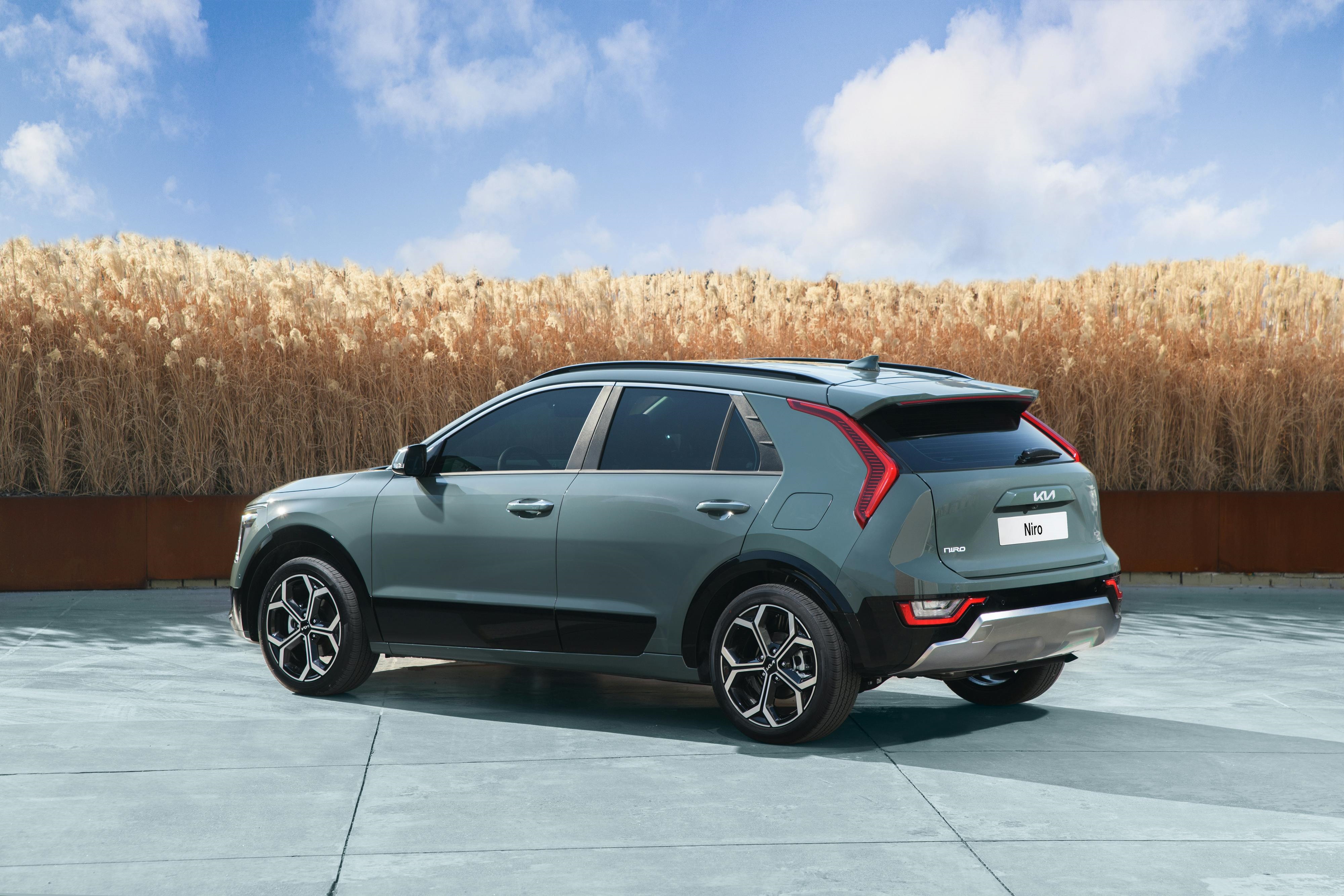
Plug-in hybrid vehicles expand on the conventional hybrid concept by incorporating a substantially larger battery pack, typically ranging from 8-20 kilowatt-hours. This increased battery capacity enables extended electric-only operation before the gas engine engages, fundamentally changing the vehicle’s operating characteristics.
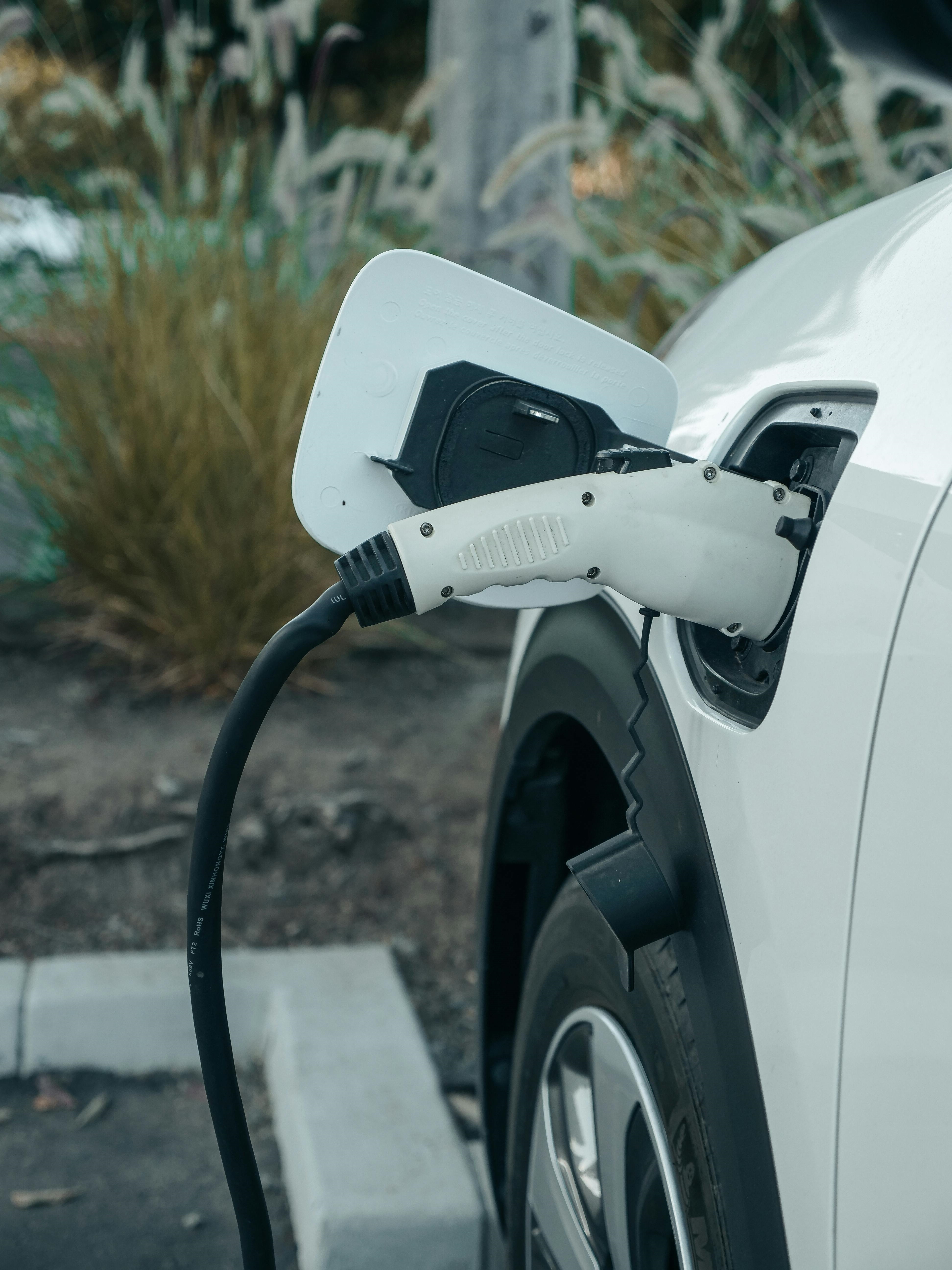
The larger batteries require external charging through a standard electrical outlet or dedicated charging equipment. Most PHEV owners can utilize a regular 120-volt household outlet for overnight charging, though many install 240-volt Level 2 chargers for faster replenishment. The electric motor in plug-in hybrid vehicles is typically more powerful than conventional hybrids, enabling highway speeds on electric power alone.
When fully charged, a PHEV operates as a pure electric vehicle for its rated electric range - typically 15-50+ miles depending on the model. During this phase, the gasoline engine remains dormant, producing zero local emissions while delivering the instant torque and quiet operation characteristic of electric vehicles. Once the battery depletes to a predetermined level, the gas engine automatically engages and the vehicle operates as a conventional hybrid.
Importantly, even when the battery appears “empty,” it maintains a small reserve that enables continued hybrid operation with regenerative braking and power boost capabilities. This ensures the vehicle never loses its efficiency advantages, even during extended highway driving beyond the electric range.
The Kia Niro PHEV exemplifies this technology, offering around 34 miles of electric range before transitioning to hybrid mode. For families looking at larger vehicles, the Kia Sorento PHEV provides about 32 miles of electric operation, making it possible for many drivers to complete daily commutes entirely on electricity while retaining gasoline backup for road trips.
Choose a Plug-In Hybrid If You:
Plug-in hybrid vehicles are a great fit for Chula Vista drivers who have predictable daily commutes under 40 miles and access to convenient charging at home or work. If your typical daily driving stays within the electric range, you can enjoy the perks of electric driving while still having gasoline backup for those longer trips.
For homeowners in Chula Vista who can install Level 2 chargers, PHEVs offer added convenience with faster charging times, making it easier to keep your battery topped up and ready to go each day. Charging at home helps ease range anxiety and maximizes your fuel savings.
If you're curious about electric vehicles but not quite ready to go all-in, plug-in hybrids offer a perfect middle ground. You get to experience electric driving on your daily routes while keeping the familiar gas engine for unexpected or longer journeys.
Plus, for environmentally conscious drivers in Chula Vista looking to cut emissions, PHEVs deliver zero tailpipe emissions during electric-only operation. And if you qualify for federal tax credits and mostly drive short distances, a plug-in hybrid can offer both green benefits and potential savings.
Similarities Between Hybrids and Plug-In Hybrids
Despite their differences, hybrid and plug-in hybrid vehicles share some key features that set them apart from traditional gas-powered cars and fully electric vehicles. Both use a combination of an internal combustion engine and an electric motor, creating a dual-power system that boosts efficiency and performance.
Both types use regenerative braking to capture energy when you slow down, turning it into electricity. This not only helps save energy but also means your brake pads last longer since you’re relying less on traditional braking.
Whether you’re driving around town in Chula Vista or cruising down the freeway, both hybrids and plug-in hybrids shine in stop-and-go traffic. The frequent starts and stops let the electric motor work its magic, recovering energy and providing smooth power during acceleration.
Environmentally, both options produce fewer emissions than regular gas cars. Even when the plug-in hybrid’s gas engine kicks in, overall emissions stay lower thanks to its electric driving time and efficient hybrid operation.
Another plus? Neither vehicle type requires you to have a charging station nearby to keep running. While plug-in hybrids do benefit from being plugged in to maximize electric driving, they can still operate like a regular hybrid when charging isn’t an option, giving you flexibility that pure electric vehicles just can’t match.
Environmental Impact
Both hybrid and plug-in hybrid vehicles offer meaningful environmental benefits compared to traditional gas-powered cars, but the level of those benefits really depends on your driving habits, where your electricity comes from, and the overall lifecycle of the vehicle. For drivers in Chula Vista who care about going green, understanding these factors can help you make a smarter choice.
Conventional hybrids cut down emissions mainly by using fuel more efficiently. They burn less gas per mile, which means fewer greenhouse gases and pollutants. Their regenerative braking and optimized engine systems work consistently across all kinds of driving, making hybrids a dependable way to shrink your carbon footprint around town.
Plug-in hybrids take it a step further by running on electric power alone for short trips, producing zero tailpipe emissions during those times. But the environmental upside depends a lot on how clean your local power grid is. Here in Chula Vista, if you charge using renewable sources like solar or green energy programs, you’ll see much bigger benefits. On the flip side, if the electricity comes mostly from fossil fuels, the gains aren’t as pronounced.
It’s also worth noting that producing the bigger batteries in plug-in hybrids uses more energy and resources upfront. Still, research shows these initial impacts are usually balanced out by lower emissions during the car’s lifetime, even if your electricity isn’t 100% clean.
To get the most eco-friendly bang for your buck, plug-in hybrid owners in Chula Vista should try to charge their vehicles using renewable energy whenever possible, whether that’s through home solar panels, local green power options, or public chargers powered by clean energy.
Cost Comparison: Purchase Price and Ownership
Initial Purchase Price
The upfront cost is an important factor for Chula Vista drivers when deciding between hybrid and plug-in hybrid vehicles. Traditional hybrids usually add about $2,000 to $4,000 to the price of a comparable gas-only model, covering the cost of the electric motor, battery, and hybrid system.
Plug-in hybrids tend to come with a higher price tag, generally $4,000 to $10,000 more than conventional hybrids, due to their bigger batteries, stronger electric motors, and charging hardware. For example, while a Kia Sportage starts around $28,500, the Hybrid version is closer to $30,000, and a plug-in hybrid variant could be near $40,500.
That said, it’s important to weigh these upfront costs against available incentives and long-term savings. The higher initial investment often pays off over time thanks to fuel savings and the advanced technology packed into these vehicles.
Fuel and Operating Costs
Operating costs are where plug-in hybrid vehicles really shine for Chula Vista drivers looking to save. Electricity usually costs between $0.05 and $0.15 per mile to operate, compared to $0.12 to $0.20 per mile for gasoline at current national averages. If you mostly drive within your PHEV’s electric range, those savings can add up fast.
That said, how much you save depends a lot on your driving habits and how often you plug in. If you rarely charge, you’ll miss out on most of the benefits, but if you can keep your vehicle charged and do most of your daily driving on electric power, you could cut your fuel costs by 70% or more compared to a regular gas car.
When it comes to maintenance, both hybrids and plug-in hybrids generally require similar care as traditional vehicles. Thanks to regenerative braking, brake pads tend to last longer. However, because PHEVs have more complex systems, maintenance might be a bit pricier over time, though this varies depending on the make and model.
Performance and Driving Experience
When it comes to driving, conventional hybrids and plug-in hybrids offer pretty different experiences, especially in acceleration, smoothness, and features. Plug-in hybrids tend to pack more power thanks to their bigger, stronger electric motors that work alongside the gas engine for an extra boost.
Electric motors deliver instant torque, so plug-in hybrids feel quicker off the line and when passing on the highway. Take the Kia Niro PHEV as an example; it zips from 0 to 60 mph in about 7.5 seconds, noticeably faster than the Niro HEV’s 9.1 seconds, even though they share the same base design.
Both types run quieter than traditional gas cars, especially at lower speeds when the electric motor can handle the driving solo. Plug-in hybrids take that quiet ride further, letting you cruise longer distances and at higher speeds purely on electric power.
Handling-wise, conventional hybrids benefit from lighter batteries that don’t affect balance much, while plug-in hybrids carry heavier batteries that can feel like extra weight, especially when the battery runs low on highway trips.
Many plug-in hybrids also come with selectable driving modes, so you can switch between prioritizing electric driving, maximizing fuel savings, or boosting performance. This flexibility can make daily driving around Chula Vista more engaging, while conventional hybrids typically manage power automatically without driver input.
Charging Requirements and Infrastructure
Hybrid Charging (None Required)
One of conventional hybrids’ greatest advantages is their complete independence from charging infrastructure. These vehicles operate exactly like traditional gasoline vehicles from the owner’s perspective - you simply visit a gas station when the fuel tank runs low and continue driving. The electric motor and battery system operate transparently, requiring no additional consideration or planning.
This convenience proves particularly valuable for renters who cannot install charging equipment, apartment dwellers without assigned parking, or drivers with unpredictable schedules who prefer the flexibility of gas station availability. The regenerative braking and engine-driven charging systems ensure the battery maintains adequate charge automatically during normal operation.
PHEV Charging Options
Plug-in hybrid vehicles offer several charging options to fit different lifestyles and home setups here in Chula Vista. The most common is Level 1 charging, which uses a standard 120-volt household outlet, no special equipment needed. Most plug-in hybrids can fully recharge overnight with this method, usually taking between 8 to 12 hours depending on the battery size.
For those looking for faster charging, Level 2 chargers run at 240 volts and can juice up the battery in 2 to 4 hours. Many local owners choose to install these for added convenience, though the quicker charge times aren't as crucial as they are for full electric vehicles since plug-in hybrids have a gas engine backup.
It’s also worth noting that most plug-in hybrids don’t support DC fast charging because their batteries are smaller and don’t require rapid charging like fully electric cars do. Thanks to the gasoline engine, you won’t have to worry about finding fast chargers on long trips around or beyond Chula Vista.
While public charging stations continue to pop up around the area, plug-in hybrid drivers rely on them less than full EV owners. The gas engine gives you peace of mind, so range anxiety is rarely an issue when driving a plug-in hybrid in Chula Vista.
Making Your Decision: Hybrid vs Plug-In Hybrid
Choosing between a hybrid and a plug-in hybrid really comes down to your daily driving habits, where you live, and what matters most to you. Both options are way better than traditional gas cars, but each fits different lifestyles a bit better.
Think about how far you usually drive each day. If you’re clocking less than 30 miles and have a spot to charge at home, a plug-in hybrid can save you a lot on gas and cut down your environmental footprint. But if you’re hitting longer drives regularly or don’t have easy access to charging, a traditional hybrid is a solid choice that boosts efficiency without the hassle of plugging in.
Where you park matters too. If you own a home with a garage, setting up Level 1 or Level 2 charging for a plug-in hybrid is pretty straightforward. But if you rent or live in an apartment in Chula Vista without guaranteed charging spots, a conventional hybrid might be more convenient. Charging can be a new routine some drivers enjoy, while others prefer to keep things simple.
Money-wise, it’s not just about the sticker price. Plug-in hybrids often qualify for federal tax credits, and if you mostly drive on electric power, your savings can add up fast. On the flip side, if you rarely plug in, a regular hybrid could be more cost-effective in the long run.
The car world is changing fast, with new hybrid and plug-in models popping up all the time. They’re getting more efficient, offering longer EV ranges, and becoming more affordable. If you’re unsure, why not swing by for a test drive to see which one feels right for you?
Whether you go for a traditional hybrid’s simplicity and reliability or a plug-in hybrid’s electric perks and savings, you’ll be joining plenty of Chula Vista drivers making the switch to cleaner, smarter rides. Both are great steps toward a more efficient future without sacrificing the convenience you need.
As charging stations grow and technology advances, your choice today can adapt with you. Whichever you pick, you’re driving toward a cleaner, greener Chula Vista. Visit Chula Vista Kia today to book a test drive in one of our HEV or PHEVs and start your journey to greener adventures today!